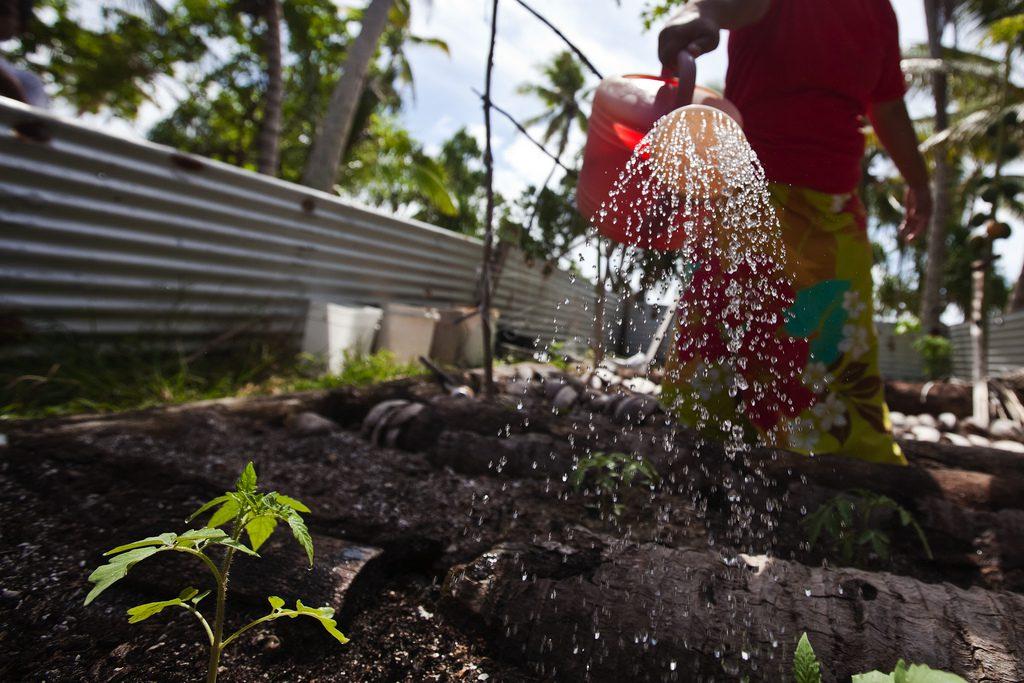
80% of the 870 million people who go to bed hungry are involved in food production. They farm small plots of land. Tend cattle, fish, or even work as labourers. They are surrounded by the means to produce or collect food, yet they go hungry. Australian aid targeted at small-scale food producers can fight this injustice and work to end poverty.
Small-scale producers and their communities make up the vast majority of the world’s hungry people. But despite the difficulties they face, small-scale farmers play a critical role in global food production – in fact, the main source of agricultural investment in many developing countries is the investment that small-scale producers make in their own farms.
Investment in small-scale farming has been proven to be an effective way to tackle hunger: between 1991 and 2001, China doubled its cereal yields based on small-scale farming, with an average plot size of less than 0.2 hectares – helping 400 million people raise themselves out of poverty. In Brazil, where family farming occupies only 24 per cent of agricultural land, but is responsible for 74 per cent of rural employment and most of Brazil’s domestic food supply, investment in small-scale agriculture has also been transformative. Between 2003 and 2009 Brazil reduced the number of people living in poverty by 20 million, due in part to a concerted campaign of support for small-scale agriculture and social protection initiatives.
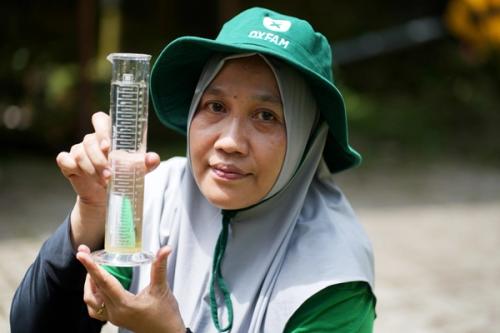
Here at Oxfam, we’ve also seen first-hand the power of small-scale agriculture to transform the lives of individuals and communities. Earlier this year, we visited small-scale farmer Ibu Suparjiyem in Wareng, south of Yogyakarta and saw the way that she and other women in her community had worked together to build food security and improve livelihoods through farming of nutritious, locally-appropriate crops. She’s one of our Female Food Heroes, but she is not alone – there are many more like her, and with more support, they could have a huge impact on food security in their communities.
Find out more about how you can share a meal and help GROW a future where everyone has enough to eat
Find out more